Connecting a V2L car to a house as a battery.

The v2l cable would be wired into change over switch. It's not in currently as I had to revert to extension lead. It enters bottom right. Switch handle obscures CAR label. No MCBs trip on consumer unit. Box on bottom right is RCD for Zappi charger.
When change over switch is operated for car input the feed is live to consumer board....right up until I flip master RCD to connect to home then car cuts supply.
 
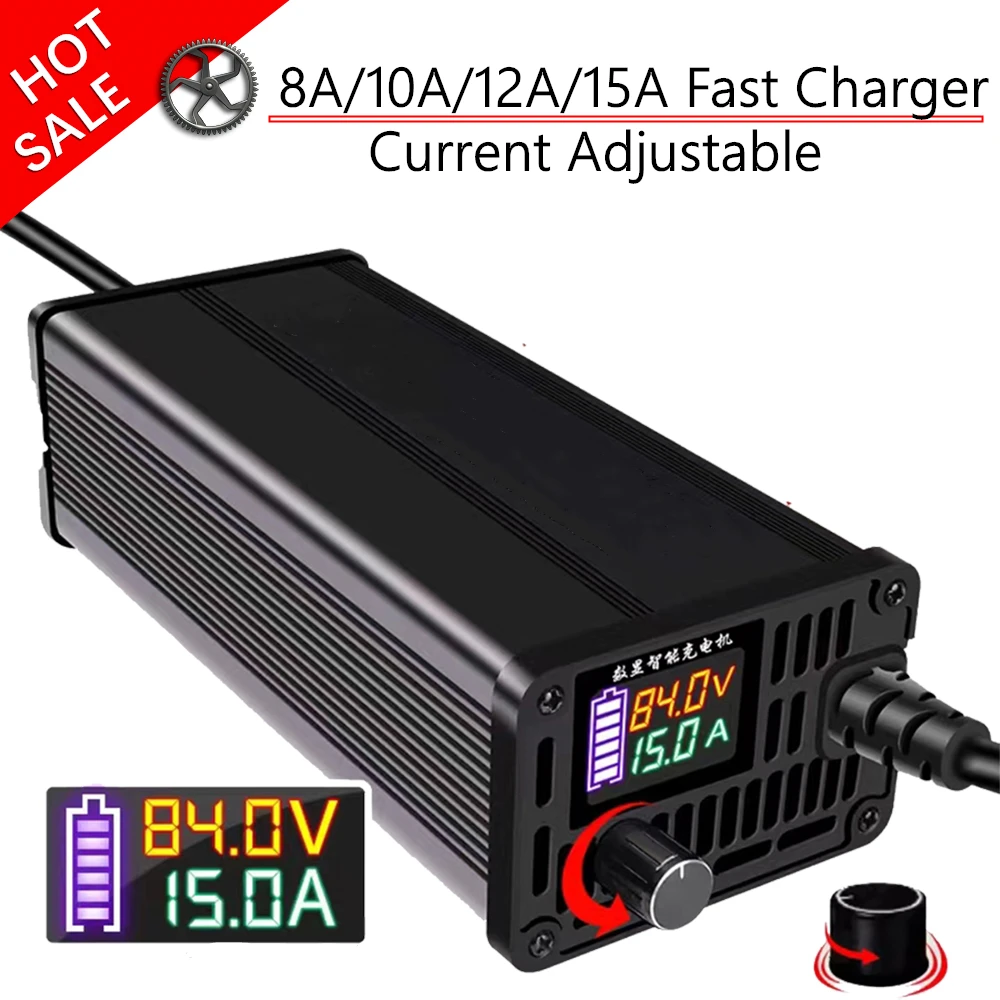
It's relatively simple to do. V2L lead from your car, 3kW or smaller power supply plugged in feeding onto the wires between the inverter and the battery, big thick red and black cables. In operation it supplements the house battery with a few watts from the car battery, as the house battery runs down, more will be taken from the car until it's 50:50. Most power supplies have a trim on the output voltage where you can increase or decrease the output. I've set mine up when the house batteries are down at around 60% the power supply (and the car feed) is at 3000W, the maximum the car can do. It works just like a range extender on an EV like the BMW i3, the car batteries just sharing some of the load. It was useful at Christmas having had two ovens going all morning and heatpumps running etc.
Hi John. This sounds exactly like the setup I'm after. I haven't been able to find anyone that's actually tried this yet, so this is quite exciting. When you say 'feeding onto the wires', how have you done the connection? Paul
 
If I did something like that it would void the warranty on my system.
I also don't like the inverter and power supply connected together, I'd be using a change over switch.
 
Hi John. This sounds exactly like the setup I'm after. I haven't been able to find anyone that's actually tried this yet, so this is quite exciting. When you say 'feeding onto the wires', how have you done the connection? Paul
Hi Paul,
I connected to my DIY battery directly onto the DC wires (big black and big red) that go from the inverter to the battery. At this point the 48v DC is being fed into the inverter via the BMS (Battery Management System all batteries have). It's very easy to do and you could just purchase an extra battery cable if it's a commercial battery you have or even plug in directly to the battery where a second or third battery would connect (I tried this approach on my Growatt commercial battery). All that is needed is to connect to the DC supply that the battery normally feeds to the inverter, 2 wires thats it!
Start your system running with the power supply output turned down low, when your system shows your house batteries ar at say 75% increase the power supply voltage until you reach the maximum current you want to take from the car eg if the power supply is showing 50v and 40 amps you would be discharging the car at around 2 kW. I run mine at 3kW. The net result is power is being taken from the power supply and the car supplementing the house batteries if your load is over 2 kW if it's less than 2kW it will charge your batteries. As the battery charge rises the current will reduce and is unlikely to reach 100% by design! If you do want to get to 100%, set the power supply voltage to 56.4v and it will charge to max capacity at which time the BMS will stop the charge. In reality you dont get to this position in normal operation, the car is simply helping the house batteries. It really isn't complicated to do and it doesn't endanger your inverter of your battery. I have helped several people now with this sort of setup with systems from Growatt, Givenergy, Solis and ECO as well as DIY all without issue. Solar installers will run a mile if asked about doing this though, blinkered views without thinking through what is happening.
It really is that simple, 2 wires, adjust the voltage, job done.

AliExpress have some good prices on power supplies:-

 
Last edited:
If I did something like that it would void the warranty on my system.
How would they know? youre connecting onto DC terminals with a DC supply just the same as a battery

I also don't like the inverter and power supply connected together,
Why?

I'd be using a change over switch.
It wouldnt work, the switch on surge the inverter would take would trip the power supply.
 
Don't ask me why, instinctively I don't like it, just subjective feeling.

They have a very nice professional connection between battery and inverter, I'd have to break into that some how. It would be immediately obvious.
The installer warned me, touching anything would void their warranty.
 
I was wondering about something like this, but it sounds more complicated than John really lets on!
It really isnt, a red and a black wire from the power supply plugged into your battery port (where the second battery would connect). Plug the power supply into your car, when the house battery is at say 75% start to increase the voltage out of the power supply until you see 20amps for every 1kW you want the car to supply. I run mine at 60 amps which is 3kW.
I run my system every Christmas day because I dont have enough battery capacity to cook the Turkey etc and run the house for the full day. I can get about 14 hours of 3kW (42 kWh) from our MG5 added to the 35 kWh of house batteries keeps us going all day on 7p kWh for the duration. Heatpump, oven, hob, lights etc.
 
It really isnt, a red and a black wire from the power supply plugged into your battery port (where the second battery would connect).
Yes that does sound easy, but in my case (I just had a look to make sure,) there's already 2 batteries with the BMS mounted directly on top. The batteries are designed to be stack-able, to get to the port for a 3rd battery would mean remounting the BMS slightly above where it is leaving a gap for the V2L wires.
The installer would class that as a big modification, that's not easy to revert if I do need warranty work.
 
Don't ask me why, instinctively I don't like it, just subjective feeling.
Thats fine, if youre not confident, leave well alone.

They have a very nice professional connection between battery and inverter, I'd have to break into that some how.
Usually commercial batteries have additional sockets to plug another battery in. I have used these ports plugging the power supply in there. To the system it doesnt know or care what the source of the DC power is, it will simply take current from there.

It would be immediately obvious.
As per above they wouldnt know.

The installer warned me, touching anything would void their warranty.
Aye, they would, a bit like car manufacturers and their warranty.

As I said, if your not confident, dont do it but, it really isnt complicated, it really doesnt endanger your inverter or battery.
 
Yes that does sound easy, but in my case (I just had a look to make sure,) there's already 2 batteries with the BMS mounted directly on top. The batteries are designed to be stack-able, to get to the port for a 3rd battery would mean remounting the BMS slightly above where it is leaving a gap for the V2L wires.
The installer would class that as a big modification, that's not easy to revert if I do need warranty work.
Fair enough, not a system I have come across.
 
Sort of similar, I see Polestar are getting ready to release models in the UK (currently in the USA) capable of bilateral charging, you have to use their charger but they state you can power your house (certain amount of items) in a power cut
 
Fair enough, not a system I have come across.
Maybe it's a HV battery system :unsure:
Sort of similar, I see Polestar are getting ready to release models in the UK (currently in the USA) capable of bilateral charging, you have to use their charger but they state you can power your house (certain amount of items) in a power cut
Sounds as useful as VW's bidirectional charging system and a chocolate teapot combined :( I bet (a) it will be expensive and (b) quickly redundant unless you want to keep buying Polestars :(

Just realised my fox batteries are high voltage. 90v to 400v nominal voltage. Think I might struggle to get hold of a charger. Grrr.
Yep- that won't be doable easily. The big issue with HV battery systems is that they're largely proprietary. You can only use Fox batteries with a Fox HV inverter AFAIAA and unlike regular ' 48V systems, they don't use standard SMA-derived CANBus or RS485 comms either - all proprietary instead :(
 
Last edited:
Support us by becoming a Premium Member

Latest MG EVs video

MGS6 deep dive + MG2 rumours, MGS9 PHEV preview and Cyber X tease
Subscribe to our YouTube channel
Back
Top Bottom